
Days after 9/11, I was eating a slice of pizza in a neighborhood restaurant when a man and boy walked by carrying a white flag. It took me a moment to realize he was Muslim and fearful of being attacked. At that point, every Muslim was a terrorist in the eyes of many Americans.
Such was the state of things during those first few weeks after planes slammed into the World Trade Center and the Pentagon. Passengers brought down another hijacked plane in a Pennsylvania field.
Twenty-five years later, our fear of The Other has not diminished. It has merely shifted. According to a Reuters/Ipsos poll, Americans are now considerably more worried about their fellow citizens than the threat of foreign attackers.
I think the turning point was during the pandemic. The Other became those who got vaccinated or wore a mask. Next, they were social justice protesters who flooded the streets of America after a black man named George Floyd died under the knee of a white police officer in Minneapolis. Now, The Other is anyone who disagrees with us politically or philosophically in this incredibly fractured nation.
The Other does or does not vaccinate their children. The Other either supports or opposes ICE raids. The Other votes for the opposing political party. The Other also includes brown-skinned people who may not be here legally. Sadly, Muslims remain The Other, as we observed when people objected to New York City Mayor Zohran Mamdani’s presence at the 9/11 commemoration ceremony. Mamdani is a Muslim who was a child in 2001.
The best way to commemorate 9/11 may not be with a moment of silence.
All this “othering” makes community difficult. But the truth is, we have been “othering” our fellow man since the country was formed. Slave or Free. Protestant or Catholic. Native American or pioneer. Man or woman. Rich or poor. Chinese, Irish, Jewish . . .
It all boils down to fear. But when we huddle with our own tribe, understanding The Other becomes increasingly difficult.
Five years ago, when I wrote on this topic, I referred to TV host Fred Rogers. An ordained minister and creator of Mr. Rogers’ Neighborhood, he shared the simple message: “I care about you, no matter who you are or what you can do.” Appreciating our neighbor is a sacred act.
So, the best way to commemorate 9/11 may not be with a moment of silence. Silence may be the problem.
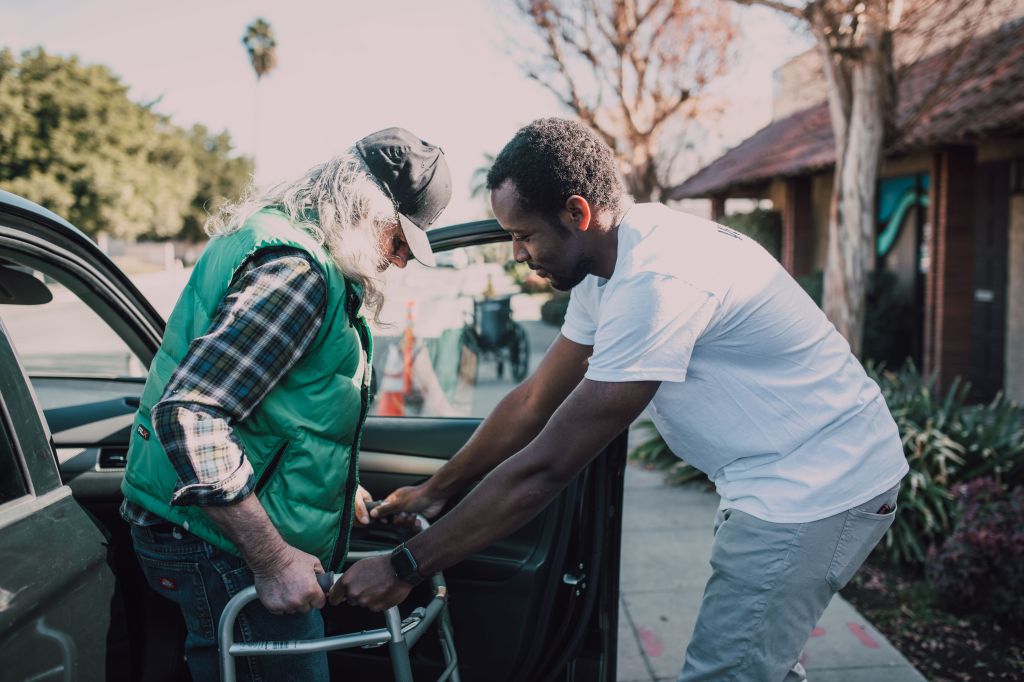
Instead, we can introduce ourselves to a neighbor we do not know. Consider volunteering time at a food bank, a neighborhood school, or a polling place. Pack weekend snack bags for students from low-income families to take home from school. Hand some new socks and a bottle of water to the guy panhandling on the corner. Or better yet, look him in the eye and show interest in the very fact that he is a fellow human being.
Get off Facebook and stop doomscrolling. Speak up for others instead to talking about them.
Choose to celebrate “whatever is true, whatever is noble, whatever is right, whatever is pure, whatever is lovely, whatever is admirable. If anything is excellent or praiseworthy—think about such things.” (Philippians 4:8)

