Even if you didn’t comprehend the language, the anger was unmistakable. The man being interviewed had just lost his home, his neighborhood to Russian bombs. His face was contorted with pain and the desire for justice.
The faces that have filled newscasts and news pages in recent weeks are all you need to see. Their expressions tell the story of Ukraine at war. Anger and grief are well represented.
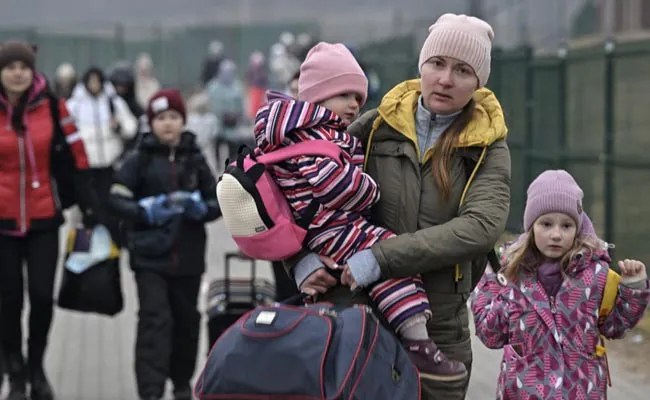
Maybe more prevalent, however, are blank expressions. They may signify confusion or resignation. But as I watch elderly women shuffling toward safety at Ukraine’s western border and young women comforting children as they haul bags of belongings onto trains, I suspect the look is exhaustion. They have traveled for miles and most have no idea where they will go next. Children are frequently the only ones who smile.
The baby girl bouncing on a woman’s lap was all smiles and gurgles as her mother was being interviewed in a crowded basement shelter. The baby’s happy disposition was contagious, the mother remarked. People liked to hold her. I don’t recall what the TV reporter said to the young woman, but at the end of the interview, the woman said, “Thank you. You have given me hope.”
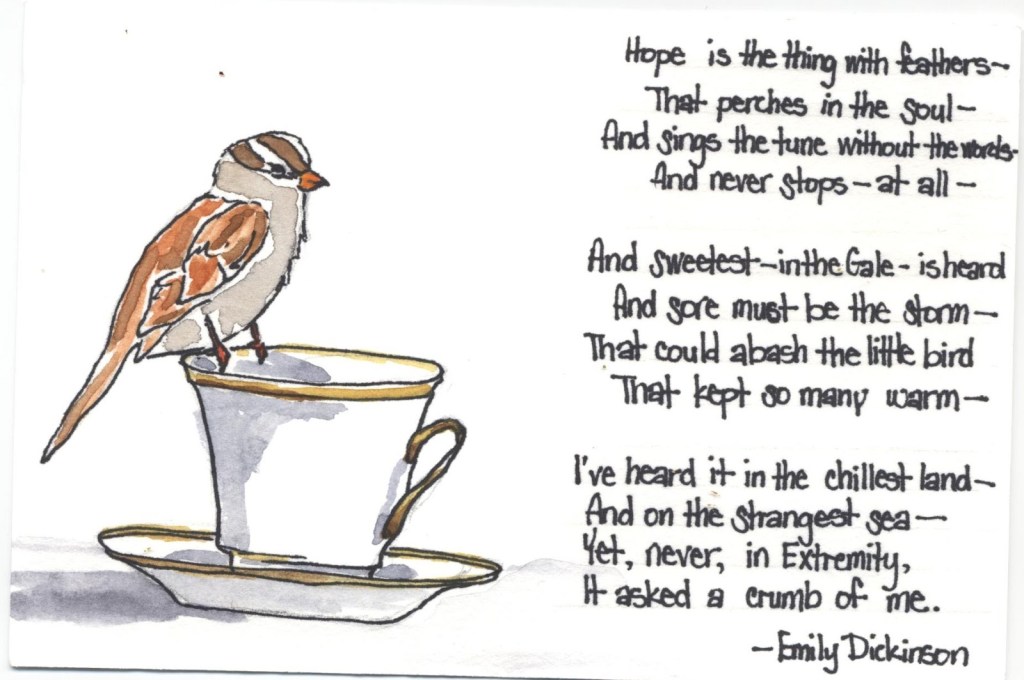
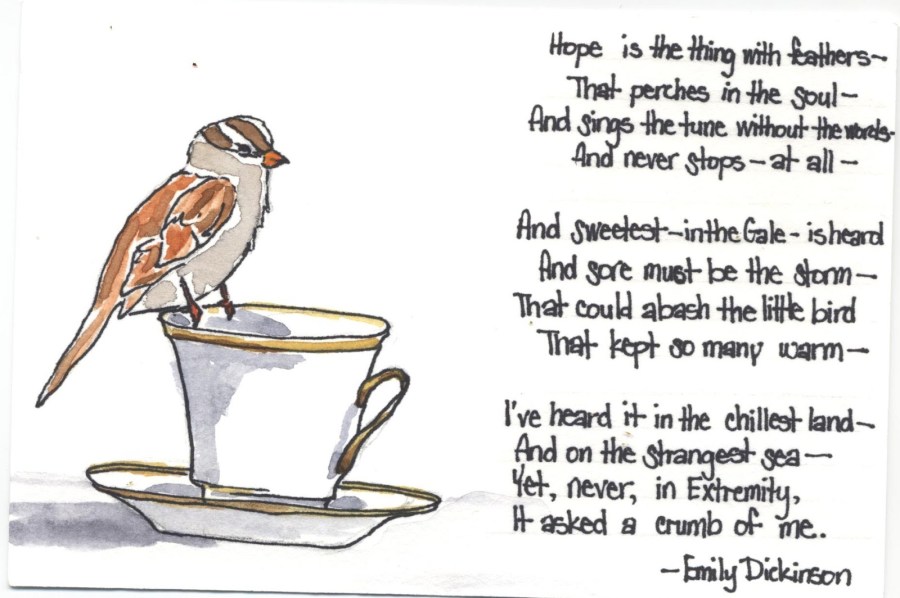
And it struck me: hope is what’s needed in this war-torn landscape.
Hope is the key that unlocks doors of possibility. Hope is the inner certainty that there is something better ahead. Hope is what has empowered citizens to launch fierce resistance against invaders.
We often equate hope with wishing. I hope you get the job. I hope the rain stops. But it is something much more substantial.
In an article for Psychology Today, Polly Campbell says it this way, “Hope isn’t delusional. It isn’t denial… It doesn’t ignore the trouble, or make excuses, or deny danger. It is not pretending. It is acknowledging the truth of the situation and working to find the best way to cope. It’s showing up and working through the hard stuff, believing that something better is possible. It’s resilient.”
This describes the hope Christians speak of with one significant difference. As Christians, our hope is based on the real work already done by Jesus. It is undergirded by something that has happened – His resurrection – and the knowledge that one day He will come again and creation will be set right.
Therefore, preparing your minds for action, and being sober-minded, set your hope fully on the grace that will be brought to you at the revelation of Jesus Christ.
1 Peter 1:13
With that hope in mind, we can move toward the unpleasant circumstances in the world and get to work. Pastor Jay Kim of Silicon Valley’s West Gate Church, wrote of the hope that empowered his mother.
“Her life has been a story of struggle, grief, and loss. And yet, despite the challenges, she has always been the most hopeful person I know . . . Her hope is a gritty and often grueling grip on something far more substantive. It’s a resolute, unwavering hold on something that has happened and will happen.”
I don’t know how much hope the world can give Ukraine right now. The ability to beat back the invading Russians is certainly the goal. But on a more human scale, there is hope that comes with volunteers at the borders, pressing hot soup and drink into the hands of weary refugees. It comes in the form of rides offered to cities far from the conflict, where a refugee might find safety and a warm bed.
It feels like evil is winning. We want victory. At the moment, hope may be more essential.
 SMALL MOMENTS FULL OF GRACE