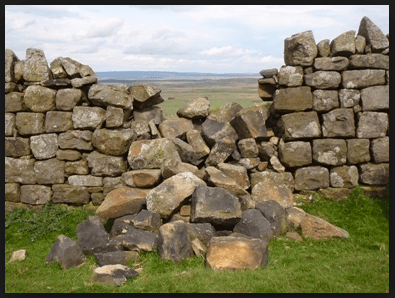
Many things have fallen apart during this strange time of COVID-19. For some, it is a sense of well-being and safety. For others, it is mental health. Long months of isolation have worn down our defenses against anxiety and depression. We are feeling increasingly hopeless.
Some people have seen their financial future, their financial security fall apart. They’ve lost jobs; they’ve lost a place to live. Maybe they can’t even feed their families. Others of us mourn our plans for retirement, for college, a first job or a trip of a lifetime.
Whatever it is, we seem to be surrounded by the rubble of our lives. We are overwhelmed with the impossibility of returning to normal.
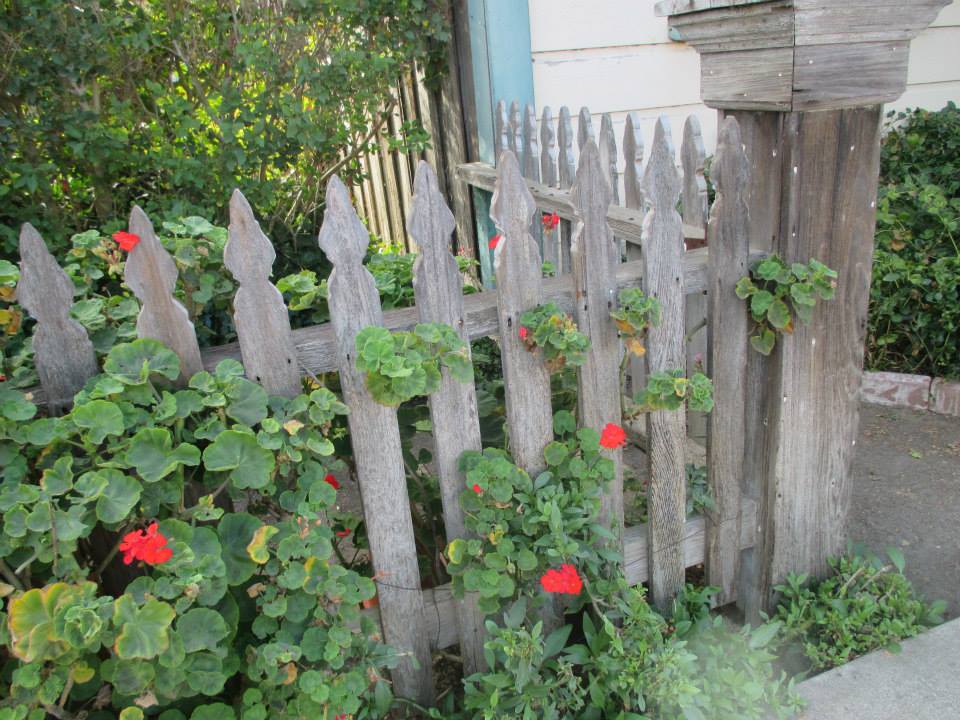

And he will bring out the capstone accompanied by shouts of ‘Grace, grace to it!
Zechariah 4:7
This brings me to Nehemiah. Nehemiah was a cup bearer to the king, the descendant of Judeans taken captive by Babylon. Even though he had never seen Jerusalem, home of his ancestors, he grieved the fact that the city wall still lay in ruins. He was so aggrieved that he wept and prayed for the people and the city. He sought a way to make a difference.
So one might ask what’s so important about a wall?
- A wall provided safety and a stable living environment.
- In that day, having a wall meant freedom from the shame of being damaged.
- Without a wall, Jerusalem was considered less than other cities. It was vulnerable.
Christian author Beth Moore wrote recently about a time before Nehemiah, when the exiles first returned to Jerusalem to rebuild the temple under the leadership of Zerubbabel: “They returned joyously, singing their pilgrim songs, to rebuild the Temple — wouldn’t it be grand??? — But what they found was one enormous mountain of rubble. The word of the Lord came to Zerubbabel, ‘Not by strength or by might but by my Spirit.’
“This is one of the best parts: the word of the Lord comes through the interpreting angel to Zechariah, ‘What are you, great mountain? Before Zerubbabel you will become a plain. And he will bring out the capstone accompanied by shouts of ‘Grace, grace to it!’ (Zech 4:7)
“Do you know how that mountain was going to become a plain? By those exiles lifting up one rock after another from that rubble. And from that rubble the Spirit would slowly raise walls to dwell within again. There would be those who would despise it because it wasn’t like before.
“But for those who did not despise the day of small things, the ceremonial bringing forth of the capstone would not be lost on them. They should’ve been dead but were alive. It should have all been over but God had given them a new beginning. And they would shout, “Grace! Grace!!”
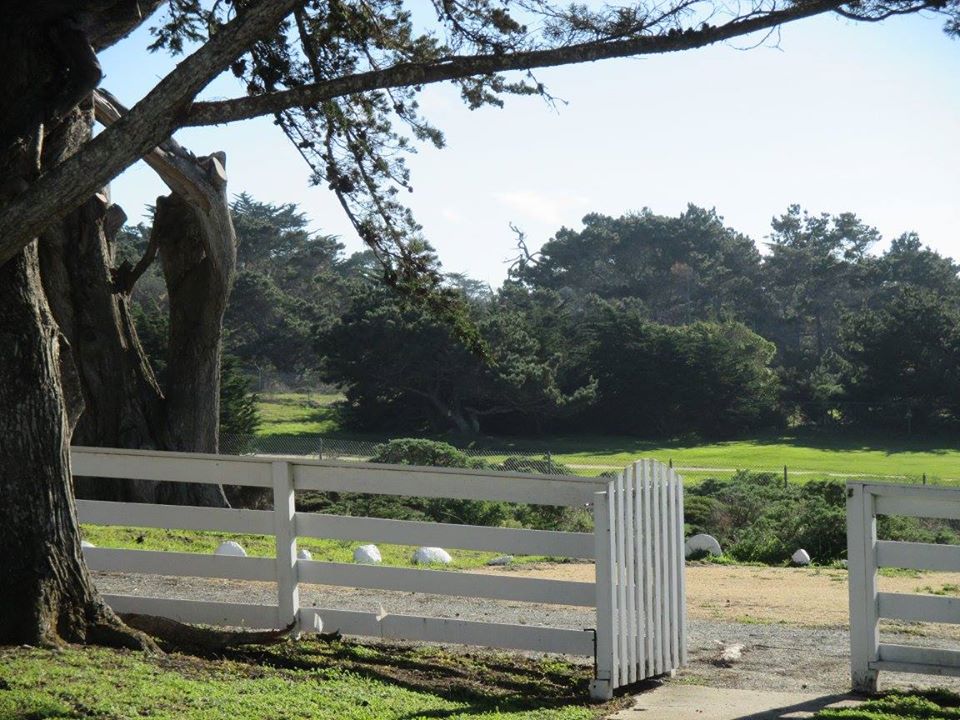
So what are we to do as we stand amidst the rubble of our lives? How do we find renewal? The mountain of rubble is indeed large.
We do what the people did:
- Pray for understanding, for wisdom, for the ability to embrace the small things and let go of the need for a return to the overblown past.
- Roll up our sleeves and do whatever is called for. Just as in Nehemiah’s case, we must be prepared to be used by God to be the answer to some of our prayers
- Seek support from others. It is difficult to rebuild a wall by yourself. Sometimes we need help with the heavy lifting. A support group or therapist for restoring mental health. A financial advisor for ways to restructure our financial future. A caring friend to help end loneliness.
This will take time.
It will happen a brick at a time, one laid upon another.
God provided a way forward for Nehemiah to do his part in rebuilding. He provides a way for our restoration. And we will eventually shout “Grace! Grace!”
 SMALL MOMENTS FULL OF GRACE