Their gods are metal and wood,
handmade in a basement shop
Those who make them have become just like them,
have become just like the gods they trust.
Psalm 115: 4, 8 MSG
Good-bye, Aunt Jemima. So long, Uncle Ben. Our country is moving at a frantic pace to expunge symbols of a hateful, hurtful period in our history. Some changes involve familiar product names and faces. Statues honoring those who rebelled in support of slavery have been toppled, as they should be. It is an enormous job as there are still 1,500 such monuments in the South, including a slave auction block on a city street corner.
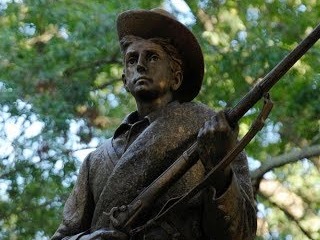
At the same time, in haste and without a complete understanding of history, some people have vandalized statues of those who supported the cause of freedom. And then there is the debate over whether statues of slave-owners should go — good-bye George Washington?
Our history is a complex and often contradictory collection of people and events. It makes decisions about what to tear down difficult. Take, for example, the story of Aunt Jemima.
The family of Lillian Richard, who portrayed Aunt Jemima, has said they do not want their aunt’s contribution to be erased.

The first Aunt Jemima was former slave Nancy Green, who was hired in 1893 to appear wearing an apron and bandanna. Richard served as one of 12 brand ambassadors starting in 1925. “She was an intelligent, young, vital, beautiful Black woman that took the job,” Richard’s niece told a local news station.“She understood the times that she lived, and she just wanted to work.”
All that said, my sincere hope is that we won’t just change names, tear down statues, and move on. Removing shameful monuments to racism is important for the soul of our nation. But we have to move beyond erasing; we need to rewrite, to make systemic change for equality and inclusion.
The debate cuts deep, challenging misconceptions and our willingness to look the other way. As a white, middle-class woman who has always considered herself color blind, I have been surprised by the things I didn’t know or understand. In many ways, a veil has been lifted.
It is easy for us to see idols in society and want to tear them down; it’s a whole other thing to see how they have affected us in negative ways and then take the action to root them out of our own hearts.
Mike Medeiros
Still, it is easy to feel personally removed from the unraveling. Then I read Musings in the Middle by my friend Pastor Mike Medeiros and realized the process of tearing down involves me, too. Here’s some of what he said:
“Some of these symbols are idols in various regions in my country, and I mistakenly think it doesn’t deal with me. But if I’m honest, it does, and here’s why — I have idols that may not be prominently displayed like a statue in the town square, but may be hidden in the recesses of my heart. It could be aspects of pride, no doubt, and these need to be destroyed because they can be hurtful to myself and others. It is easy for us to see idols in society and want to tear them down; it’s a whole other thing to see how they have affected us in negative ways and then take the action to root them out of our own hearts.
“So, in the midst of all this talk and action about dismantling statues and symbols that cause hurt and division, let’s get introspective and ask God to search our own hearts for idols we have erected. What has to go? It just might be the perfect time to do what should have been done long ago — to tear down the idols of our hearts. May we have the courage to do it!
 SMALL MOMENTS FULL OF GRACE