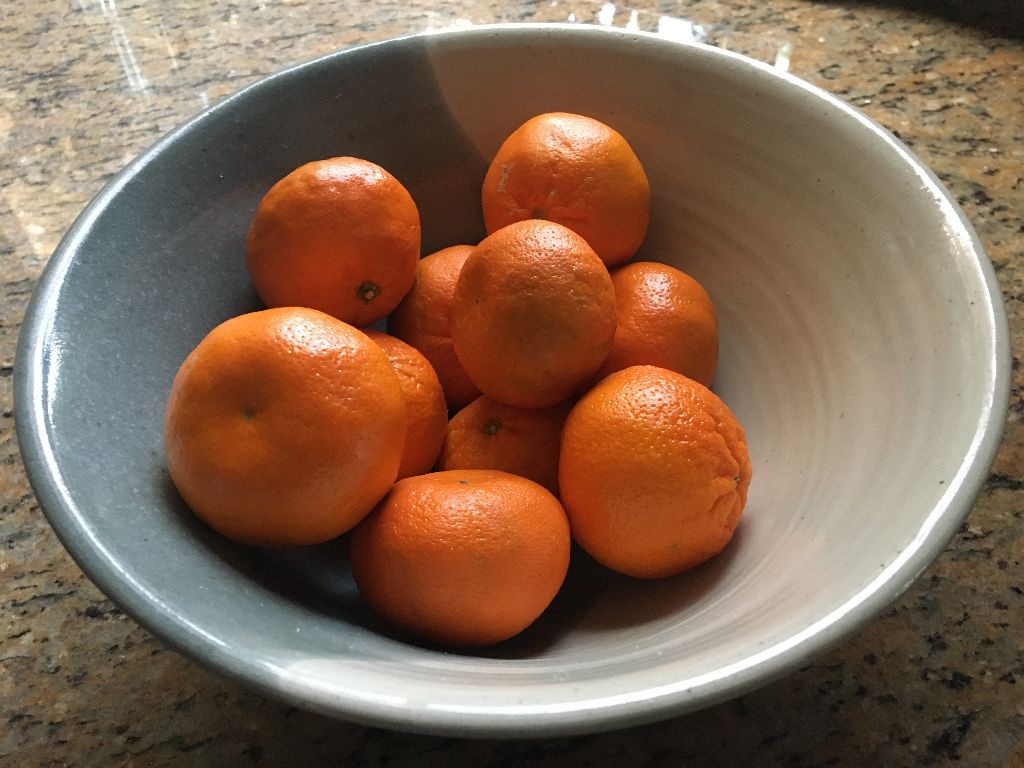
I was once a potter. It was a hobby, but it brought me great joy. I still use some of the bowls that I made so many years before.
I loved the shapes and textures of different clays: the silky white porcelain and the grey stoneware. I enjoyed playing with different glazes and experimenting with raku firing in dirt pits. I still can’t pass up buying the random bowl or teapot.
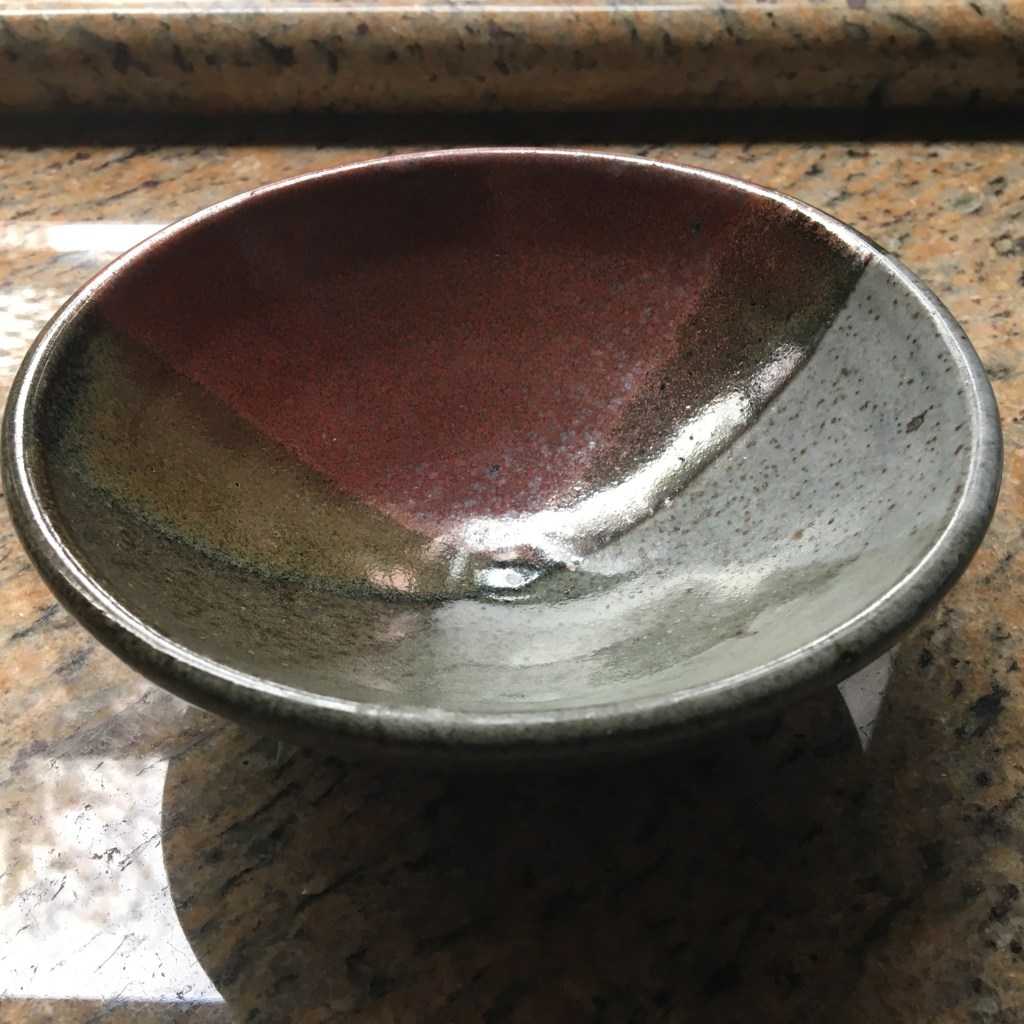
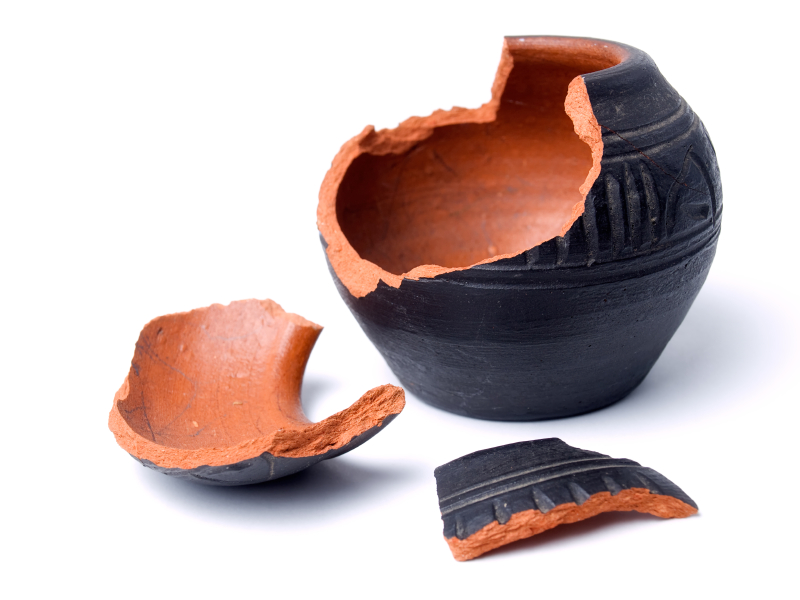
Pottery is both useful and beautiful. It can hold our food and drink; it can serve as a vessel for flowers. It is strong enough for many tasks, but it also is fragile. It can be chipped or cracked or broken into shards.
We, too, can be easily broken. That doesn’t mean we cannot be useful.
We have this treasure (the knowledge of the glory of God) in jars of clay, to show that the surpassing power belongs to God and not to us. We are afflicted in every way, but not crushed; perplexed, but not driven to despair; persecuted, but not forsaken; struck down, but not destroyed…
2 Corinthians 4:7-9
Followers of Christ are called to serve. God, our potter, determines our purpose. I can make soup for a sick friend or a homeless man on the corner. I can brighten someone’s life with flowers or a kind word of encouragement. In prayer, I can carry someone’s concerns to God.
Sometimes, however, I am of the most significant use when I am broken. Remember Gideon, the reluctant warrior? When he took his men into battle, Gideon gave each man a clay jar with a torch inside. He told them to circle the enemy camp and wait until they heard him blow his trumpet. When Gideon blew his trumpet, the soldiers broke their clay jars so that it looked like a circle of fire around the camp.
If the jars had remained unbroken, the light wouldn’t have shown through to confuse the enemy. Brokenness was essential for victory.
It sounds harsh to say that I might be broken for God’s glory, to experience victory. But I know it is true in my own life.
The things in my life that have been the most difficult to bear, that have caused physical and emotional pain, that have broken my heart, are the very things that have given me greater compassion. They have been born in new ways to serve others. There can be beauty and value in brokenness.
Brokenness can be our strength.
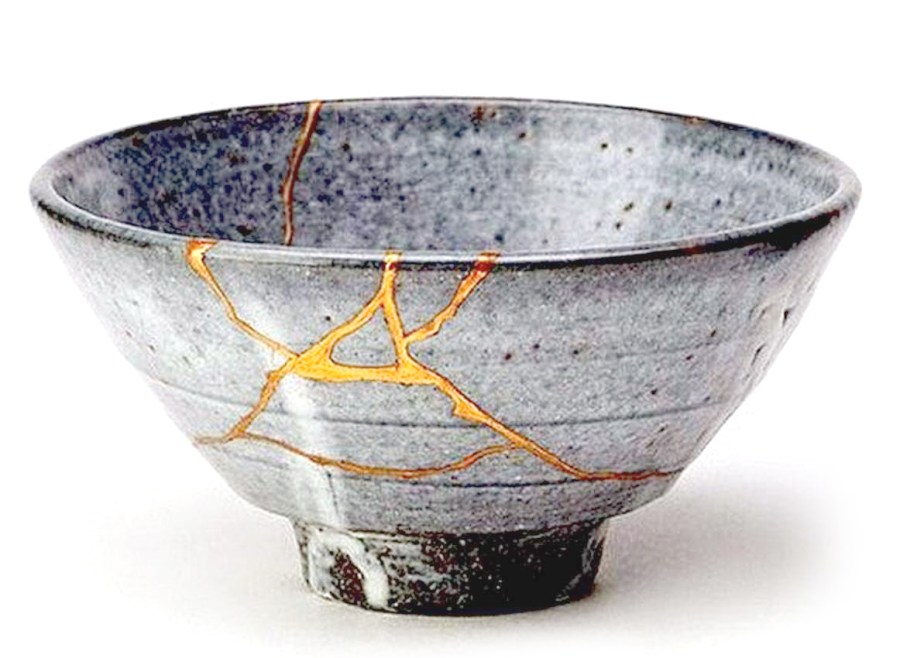
The best way to visualize this idea is with Kintsugi or Kintsukuroi. It is the centuries-old Japanese art of fixing broken pottery. Rather than glue broken ceramic pieces back together, the Kintsugi technique employs a special lacquer dusted with powdered gold or silver. The result is ceramic ware with seams of gold. The bowl or vase is repaired and more beautiful at the same time.
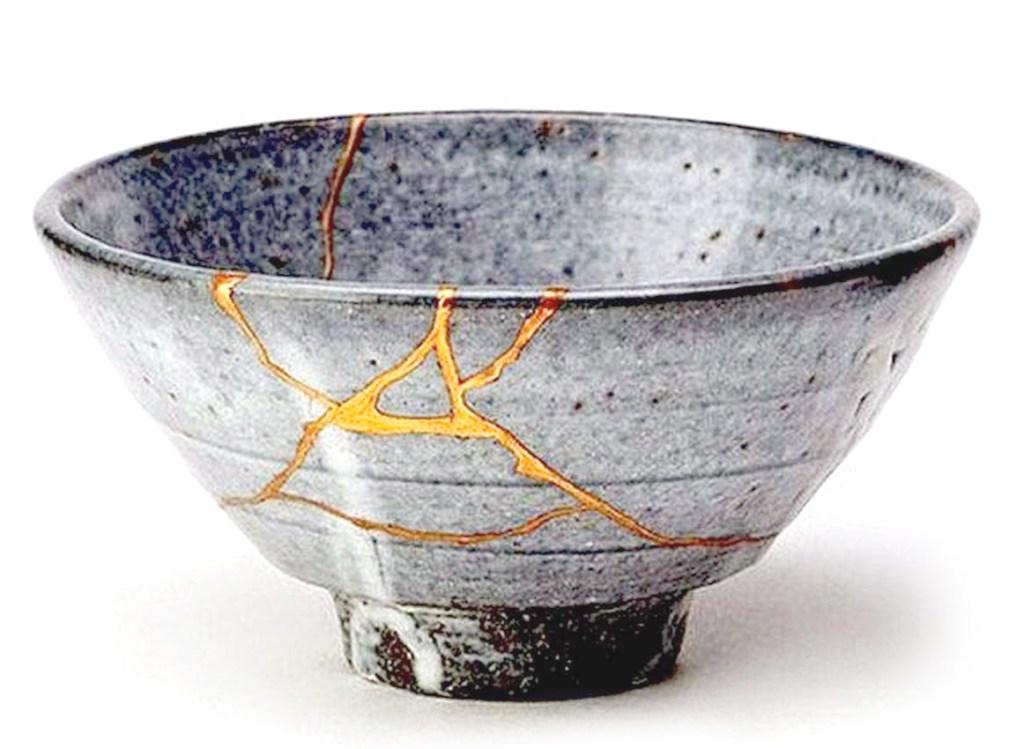
Kelly Richman-Abdu, with My Modern Met, writes, “This unique method celebrates each artifact’s unique history by emphasizing its fractures and breaks instead of hiding or disguising them. In fact, Kintsugi often makes the repaired piece even more beautiful than the original, revitalizing it with a new look and giving it a second life.”
“In addition to serving as an aesthetic principle, Kintsugi has long represented prevalent philosophical ideas. Namely, the practice is related to the Japanese philosophy of wabi-sabi, which calls for seeing beauty in the flawed or imperfect. The repair method was also born from the Japanese feeling of mottainai, which expresses regret when something is wasted, as well as mushin, the acceptance of change.”
In my life, Jesus is Kintsugi — golden joinery. He has bound me back together. He has restored me and made me both useful and beautiful.
Brokenness can make moving forward really difficult, whether or not we want to admit it. It may be my arthritis or your learning difference. Anxiety of depression might slow you down. It could be a broken foot or a broken heart. There is divorce, illness, unemployment, homelessness, rejection, abuse, bankruptcy, the death of a loved one.
Some cling to their brokenness. Brokenness becomes an identity. Their wounds are always on display. Or they hide their scars and descend into depression, or they numb the pain with drugs or alcohol.
I hope this isn’t you. But if it is, consider the available healing. Get help. Get therapy. Seek Jesus.
Many of us live with some impediment. We may be compassionate with others who struggle but are less forgiving of our own handicaps. We don’t want to look old or dumb or weird or less able. I have decided that it takes too much energy to pretend that I don’t have difficultly. I have decided to be
beautifully flawed.
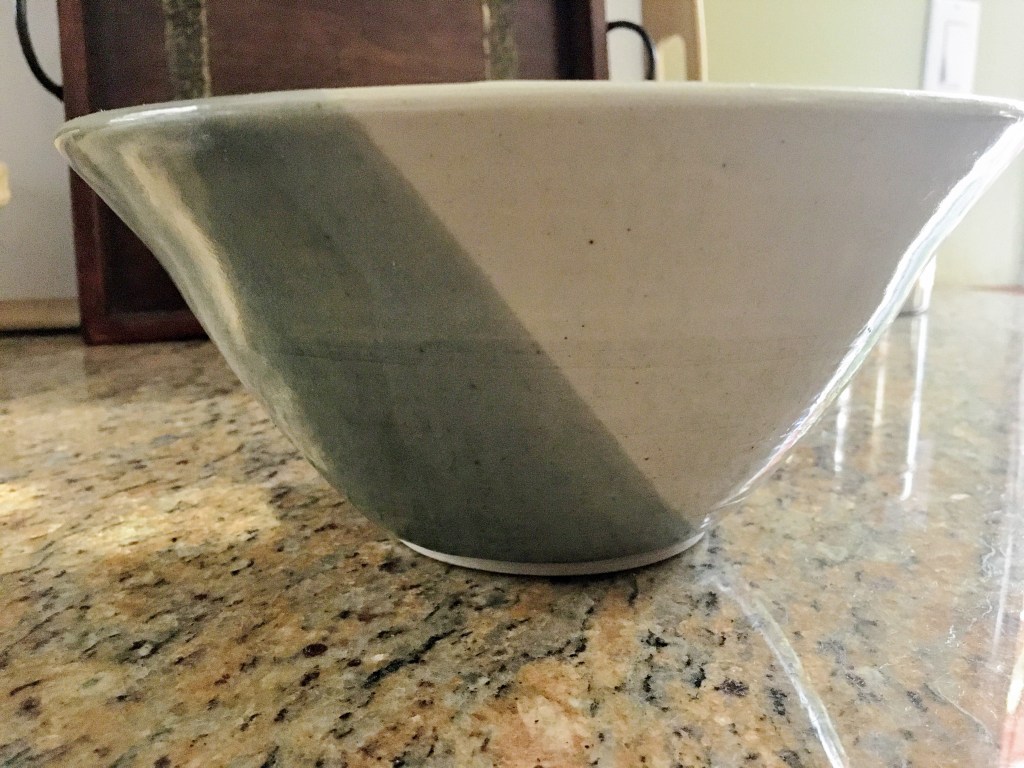
Let’s learn to be kind and accept kindness. Let’s give and receive grace. Today, let’s stop fighting what is and go forward in the best way we can.
Accept change. Embrace your flaws. Watch for how God is using you in the world for his glory.
 SMALL MOMENTS FULL OF GRACE