
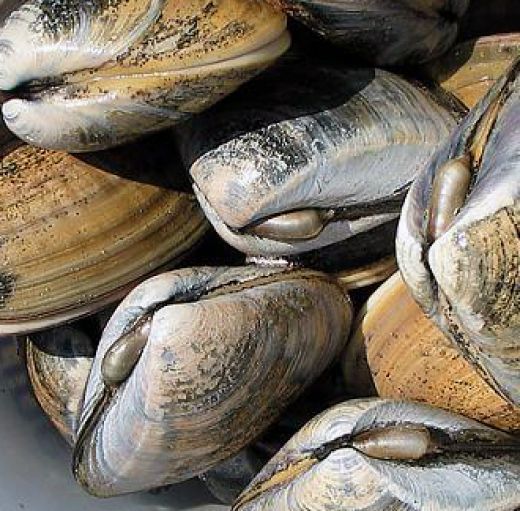
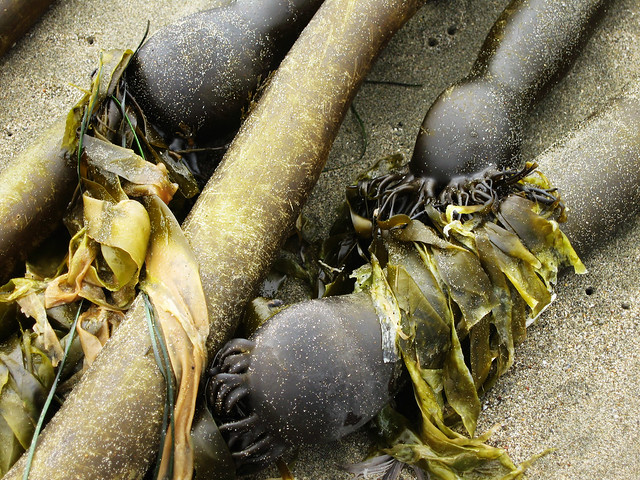
Seeing rubbery tendrils of seaweed on the beach always make me think of clam digging. To be more precise, it makes me think of one particular time I went clam digging at Morro Bay with my family — Mom, Dad, Grandma and Grandpa. Even my great-grandparents once dug clams here.
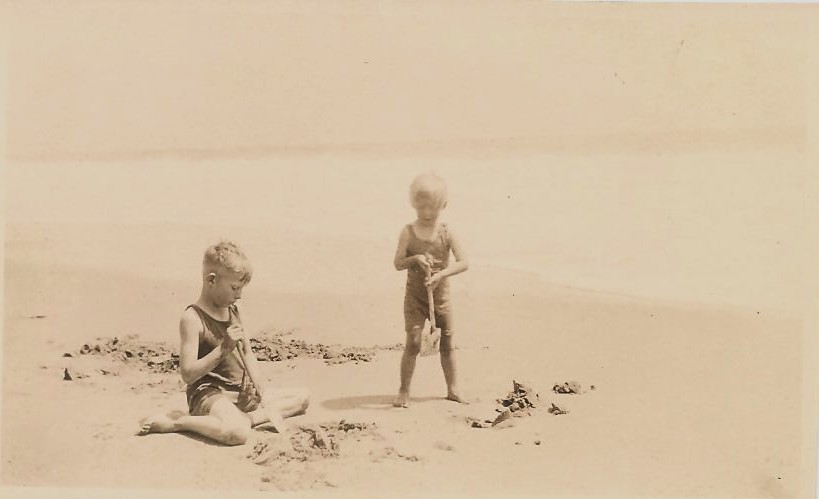
Armed with clamming forks that looked like small pitchforks and burlap feed bags in which to put their catch, they would set out at the lowest tide to dig for big Pismo clams. Over the years, I went several times, but this may have been the first time I was allowed to go out past the dunes where the action took place, which may explain why the memory is so vivid even now.
We left before dawn because for some reason, low tide is often very early in the day. Bundled up against the damp fog, we took a motorboat across the mouth of the harbor to the dunes. Then we would walk down the beach to a spot my grandfather felt was promising.
The quest for clams took place at the edge of the surf. As the water receded, you watched for air bubbles. These indicated a clam beneath the surface. You would jam the clamming fork down hoping to get it beneath the clam and lift the clam out in a forkful of sand. You had to be quick, because clams can dig down with amazing speed. You also had to be careful not to stick the fork into your foot in your in your haste to get the clam. My grandfather actually did this once. Thus, I wasn’t allowed to dig for clams until I was older. Soon afterwards, it became too difficult for Grandpa to navigate the sand, and the resurging otter population so diminished the clam population that we never went clamming again.
So what does seaweed have to do with clam digging? Well on that well-remembered trip, I was probably only 4. My job was to build sand castles while the adults dug for clams. The king and queen who reigned over my castle were the bulbs of air that keep the kelp afloat with flowing robes of rubbery green. It must have been a very good game, because I still remember.
The memory surfaces every time we stay on the Central California coast. It comes in with the tendrils of fog or the briny smell of seaweed and the other things washed up by the surf. Strangely, it does not surface when we dine on clam chowder, now a favorite. Chowder was not a dish on which I would dine during those early clam digging days.
After digging our limit, Dad would clean the clams and wash out the sturdy shells as big as his hands.
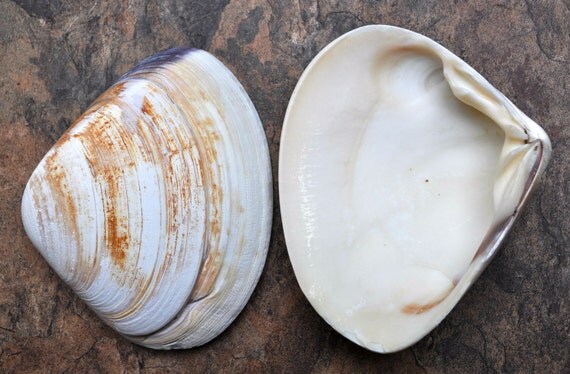
Then my Mom and Grandma would make chowder with milk and potatoes, onions and bacon. Or they would dredge the clams in flour and fry them. Either way, I hated clams — or at least the idea of them — and refused to eat the catch. When I was very little, they once tried to convince me that it wasn’t clams on my plate but Ferdinand the Bull. I had no idea who Ferdinand was and had no intention of eating him or a clam. After that they gave up.
I do wish we hadn’t given up on the digging.
 SMALL MOMENTS FULL OF GRACE